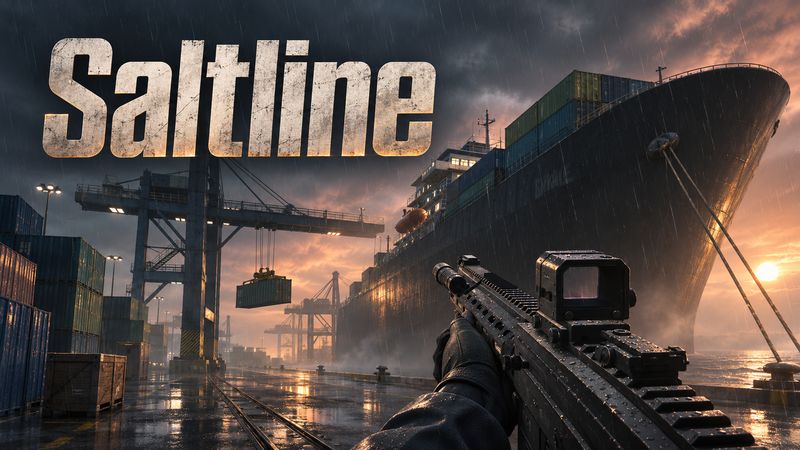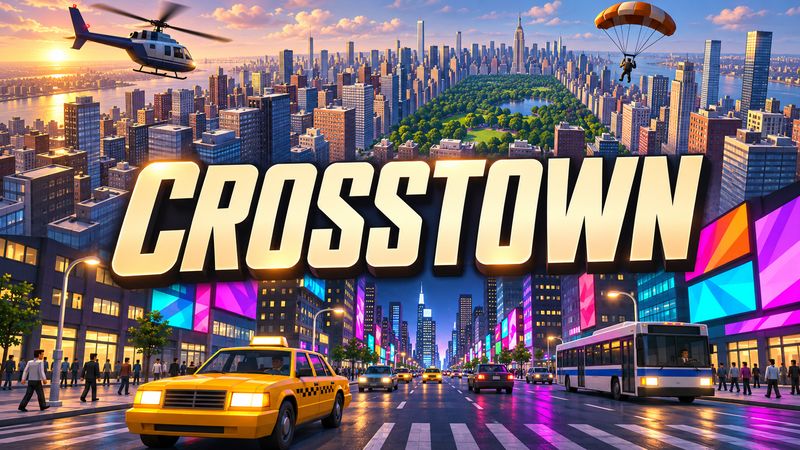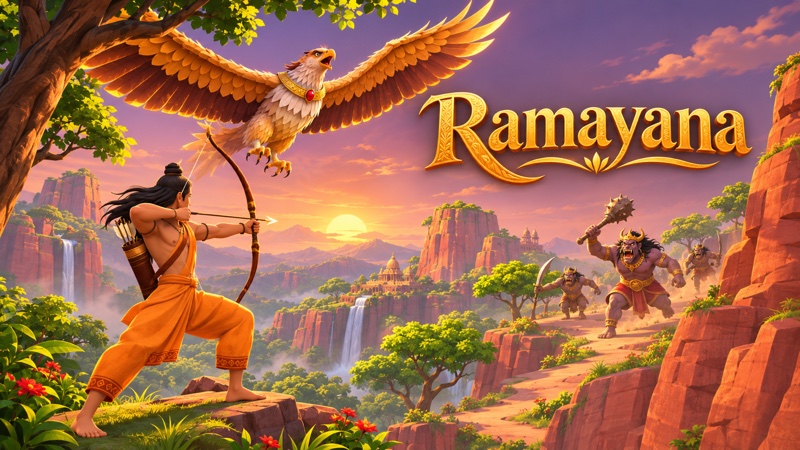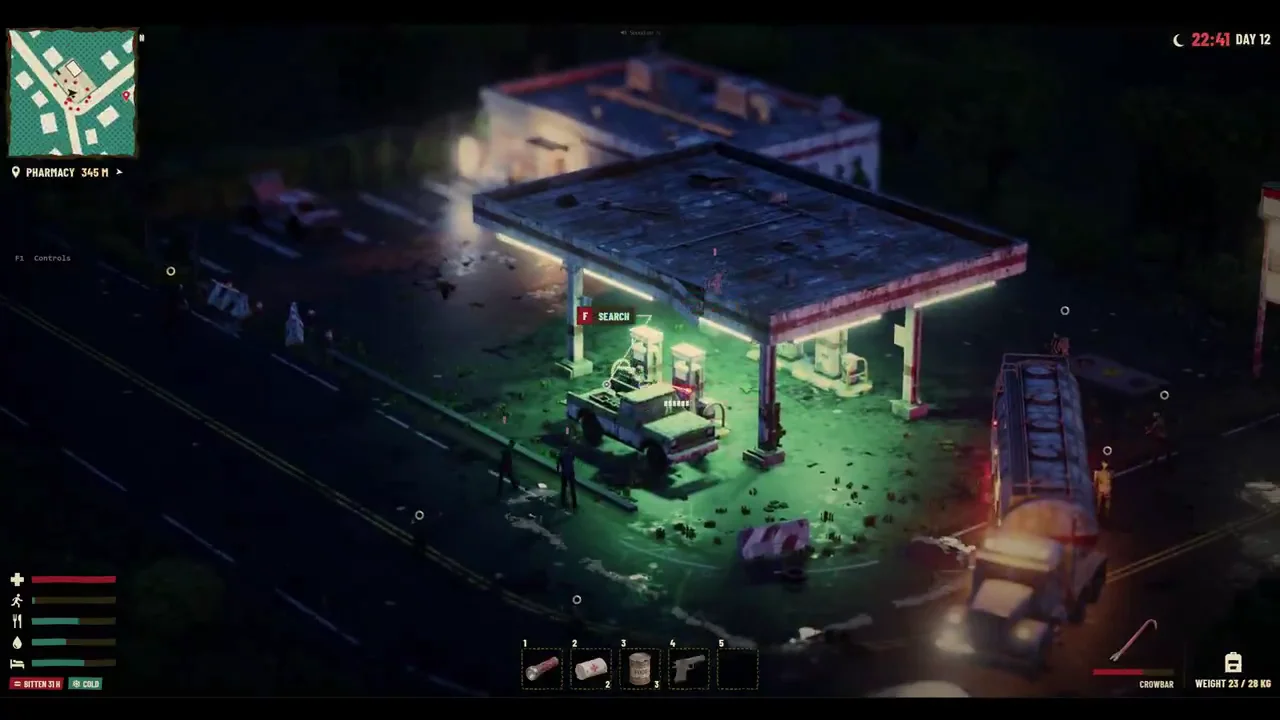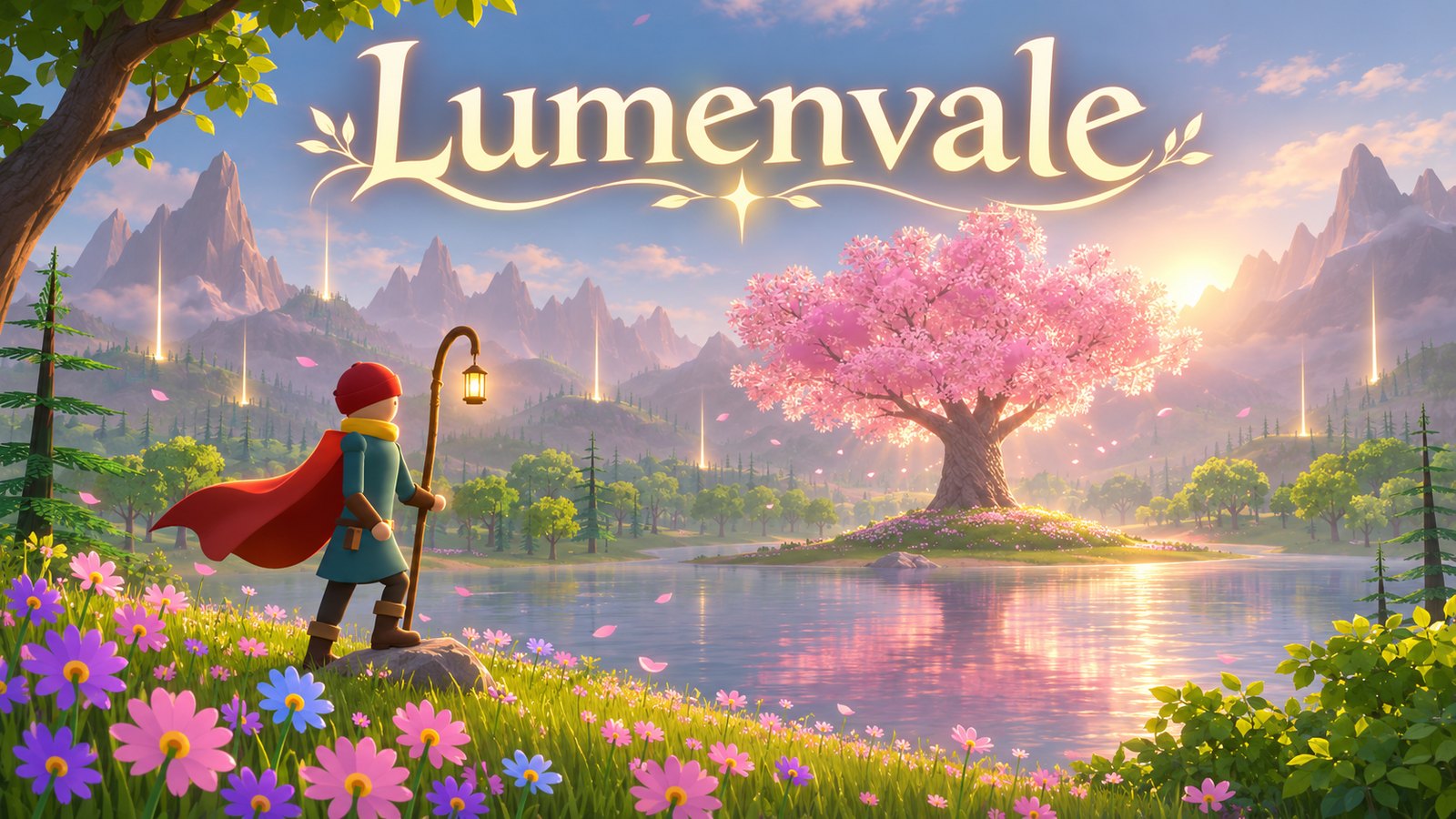
Looking for three.js games or three.js examples? This page has 27 three.js games you can play free in your browser right now. The first seven have their full source code public on GitHub, so you can read how they work. The other 20 are three.js games on VibeGamer, grouped into shooters, driving and flying, worlds to explore, and platformers and puzzles, with how each one was made: which AI model or agent, how long it took, and the techniques worth copying. Nearly all of them were made with AI coding tools.
The official three.js examples page is the place to start for single features: hundreds of short demos, each showing one thing, such as a loader, a material, a post-processing effect or a physics engine, with its source a click away. What it doesn't have is many whole games: its "games" section holds one example, a small first-person shooter.
This list fills that gap. The seven games with source come first, and for each we say what is worth reading in the code, based on the project's own README and files. All seven were made with AI coding models, mostly Claude Fable 5.2 and Claude Opus 5.5, so they also show what that code looks like in a real project.
Check each repository's license before reusing anything. Five of the seven also appear in our open source browser games list, which covers licenses in more detail; here the focus is on the three.js techniques.
Quick list: seven three.js games with source code
| Game | Three.js technique to study | Source | License |
|---|---|---|---|
| Cayley | Physics-first flight sim, streamed real-world terrain, no build step | lauramionel/cayley-flight-simulator | MIT |
| Baron | Toon shading, outlines, seeded terrain in web workers | dai-studio/ex-baron | BSD-2-Clause |
| The Lost Storm | Game logic kept apart from three.js rendering | marginsystems/the-lost-storm | MIT |
| Valley Ride | WebGPU renderer, instanced grass and trees, compressed assets | StarKnightt/valley-ride | MIT |
| Castle Valley | A painterly renderer made of instanced brush strokes | remorses/castle-valley | No license file |
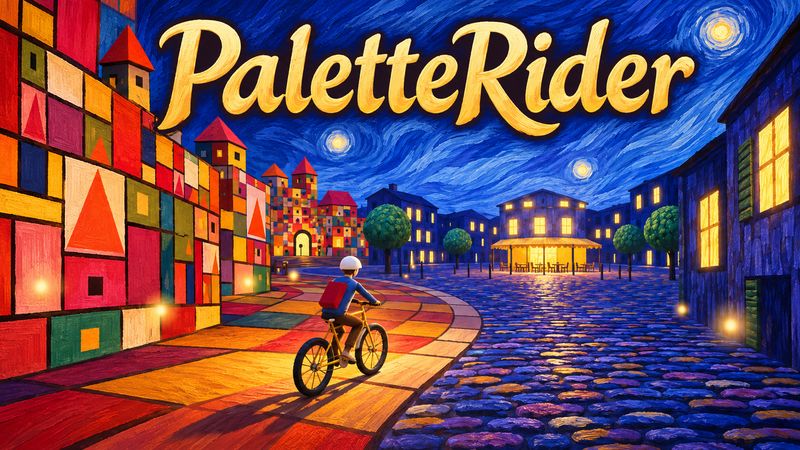
| PaletteRider | Cities, people and music generated in code; multiplayer without a server | aashishgtbit/PaletteRider | No license file |
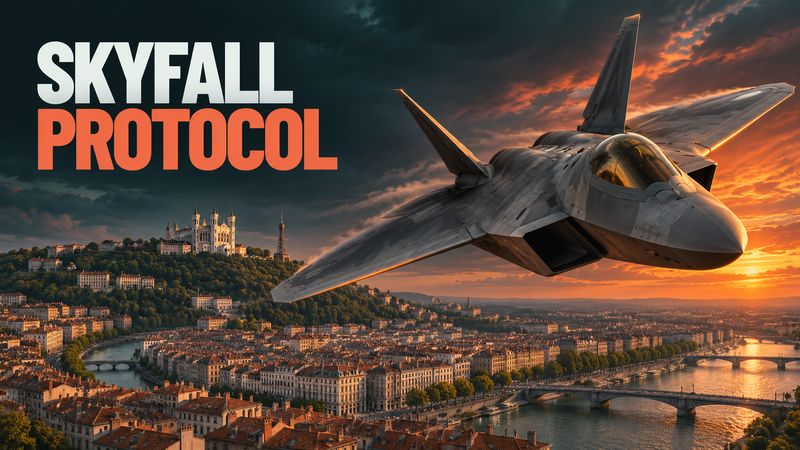
| Skyfall Protocol | Streaming a photoreal city as 3D Tiles on WebGPU | a7ul/skyfall | No license file |
A public repository with no license file lets you read the code, but gives you no right to reuse it.
Cayley: a flight simulator in plain JavaScript
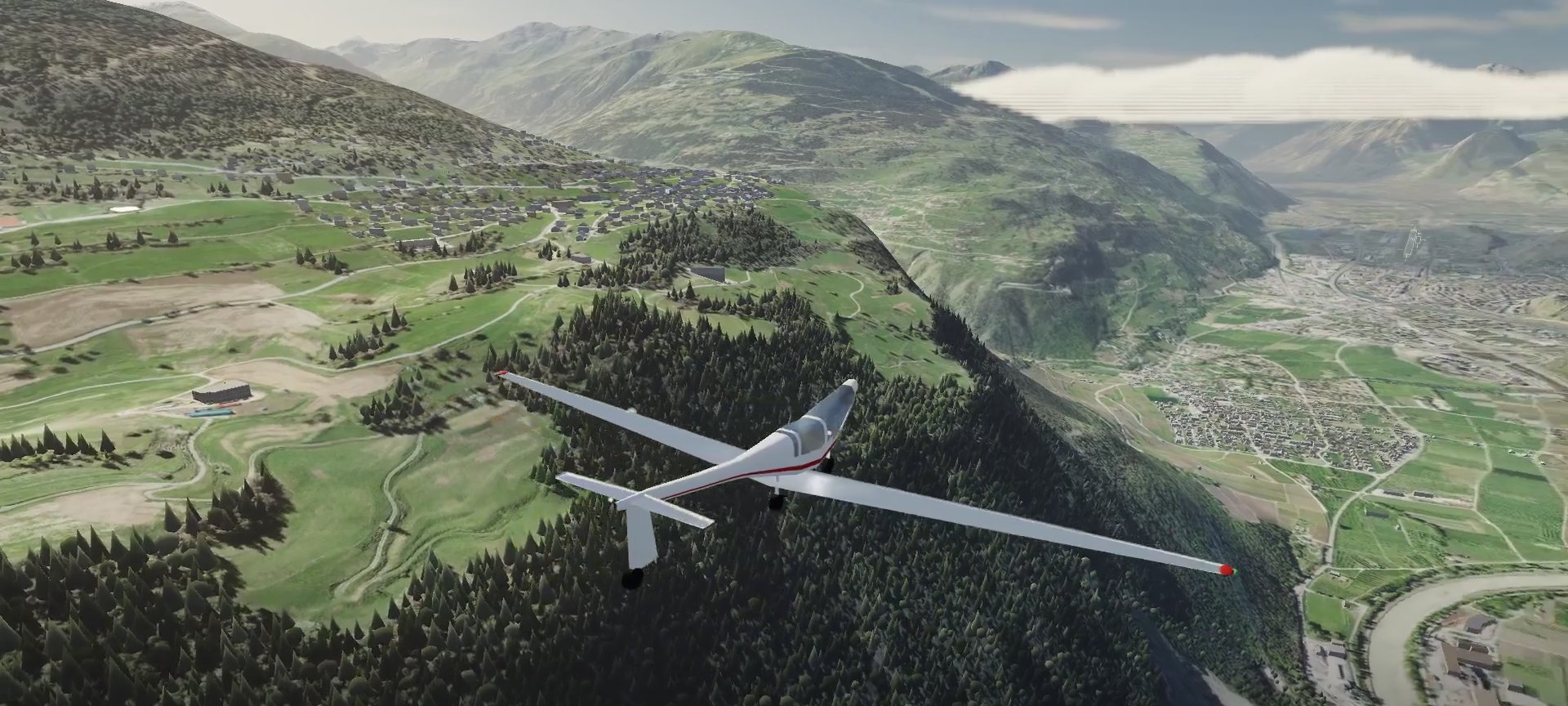
A flight simulator with real wing physics: nine real aircraft, any airport in the world, real elevation and satellite imagery, live weather. Lionel Mora says Claude Fable 5.2 wrote it overnight.
What to look at in the code:
- No build step. It is a static site: three.js (r184) is vendored in a
vendor/folder, and you run it with any web server. A good example if you want three.js without a bundler. - The flight model (
js/fdm.js): a 6-degrees-of-freedom rigid body stepped at 240 Hz, with the wing split into 40 strips and the propeller simulated blade by blade. The README says it takes about a quarter of a millisecond a frame. - Streamed terrain (
js/terrain.js): a quadtree of map tiles around the aircraft, with real elevation under satellite imagery, and buildings from OpenStreetMap vector tiles. - Sound made in code (
js/engine-worklet.js), synthesised sample by sample, and tests that run with Node and no packages.
Play: lauramionel.github.io/cayley-flight-simulator · Source: GitHub · MIT

Baron: a cartoon look with no asset files
A cartoon biplane game: build a plane in the hangar, then take off, fly and land over a world generated from a seed. Built by Dai Studio with TypeScript, three.js (WebGL 2) and Vite; the commits are co-authored by Claude Opus 5.5.
What to look at in the code:
- The cartoon look (
src/render): a toon material with rim light, inverted-hull outlines and a depth-edge ink pass, followed by FXAA. - An endless world (
src/world): seeded random numbers and noise, terrain built in web workers in chunks, with rings of detail around the plane. - Everything in code. The README says all art and audio are generated in code, with no external asset files, and sound uses the Web Audio API.
- Good habits for a game project: a fixed 120 Hz game loop, Vitest tests for world determinism and the flight model, a
?debugtuning panel, and an installable app that works offline.
Play: baron.by.dai.studio · Source: GitHub · BSD-2-Clause

The Lost Storm: an RPG with the game separate from the graphics
An isometric action RPG: wake in the mist, fight with skills on a hotbar, pick up loot that drops as real 3D models. Mark Arguinbaev builds it on livestreams with Claude Fable 5.2. The README says it uses three.js, TypeScript and Vite with no game engine on top.
What to look at in the code:
- Simulation apart from rendering. The game itself (combat, skills, monsters, pathfinding, loot, saving) is in
sim/as plain TypeScript with no three.js and no DOM, so it runs and is tested in Node. three.js only lives insrc/render/: the isometric camera, lighting, ground, effects and weather. - Content as data. Skills, monsters, items, the skill tree and each zone are JSON files in
data/, checked at start-up. - Shipping to game portals: build scripts that make offline versions for itch.io-style hosts, and an optional server for cloud saves and a shared hub.
Play: theloststorm.com · Source: GitHub · MIT
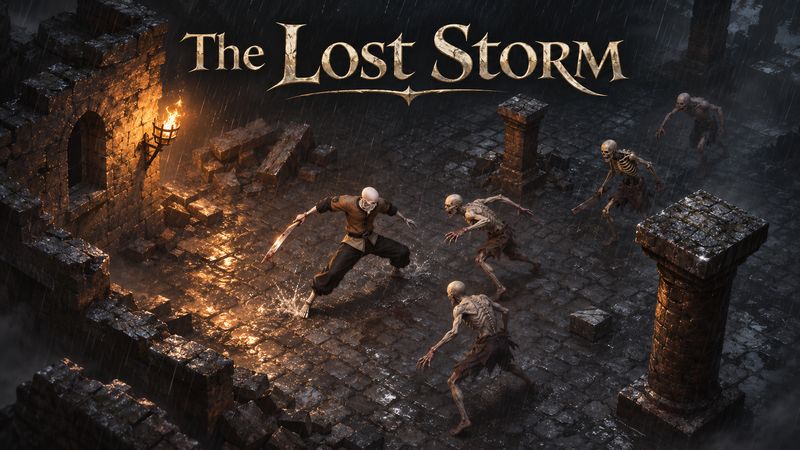
An isometric dark-fantasy action RPG in the browser, in open alpha: wake in the mist, fight through rain-slick ruins and collect loot with legendary powers. Built in three.js with Claude Fable 5.2 and streamed live.
Valley Ride: three.js on WebGPU
A calm horse ride along a 2.5 km trail to a campfire at sunset. Prasenjit built it in two days with Claude Code, using Claude Opus 5.5 for most of it and Claude Fable 5.2 for the rider, and the horse and trees in Blender.
What to look at in the code:
- WebGPU with a fallback. It renders with three.js (r187, its only runtime dependency) on WebGPU, and the URL option
?webgl=1switches to WebGL 2. The README says only Chrome on Windows was tested. - Lots of plants, fast: grass as instanced blades near the camera, and trees with three levels of detail repacked into instanced meshes as you move.
- Asset compression: KTX2 and WebP textures and meshopt-compressed meshes. Even so, the first visit downloads about 74 MB.
- Quality presets and GPU checks: low to ultra presets, and scripts that drive Chrome on the GPU and fail on a dropped frame or a shader compile. The prompts used are in
PROMPTS.md.
Play: starknightt.github.io/valley-ride · Source: GitHub · MIT

Castle Valley: a painterly renderer
A first-person walk out of a dark forest toward a castle, torch and sword in hand, fighting goblins and trolls, with the whole world painted in oil brush strokes. Tommy D. Rossi says Claude Fable 5.2 made it.
What to look at in the code:
- Paint without a filter. The README explains that the world is made of about 2.5 million instanced cards, each one brush mark pinned to a point in 3D, over flat-coloured geometry that fills the gaps. Because a dab never moves, the paint stays on things as you walk.
- A brush sheet made in code (
src/brush.ts) and colour ramps measured from a reference video (src/paint.ts). - Level of detail for strokes: far away, fewer and larger dabs, chosen by a fixed rank so strokes never swap.
- A final pass (
src/main.ts): colour grade, canvas weave and a little varnish.
Play: omw-game.kimaki.dev · Source: GitHub · No license file
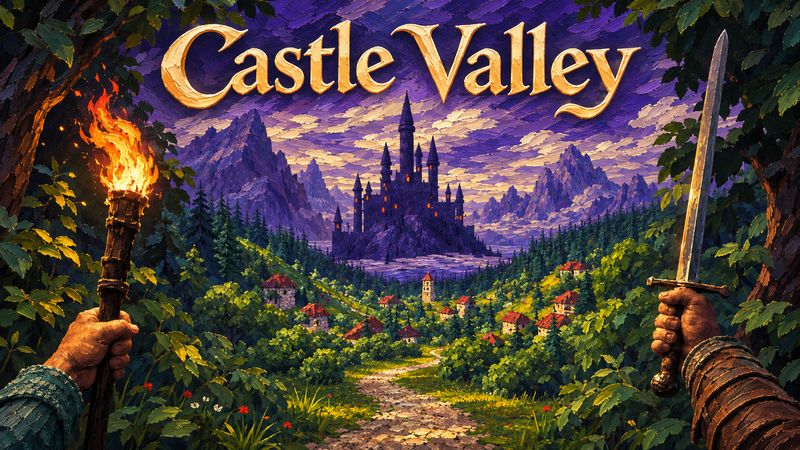
A first-person fantasy walk painted in oil brush strokes: torch in one hand, sword in the other, you leave a dark forest for a village under a castle and fight goblins and trolls on the way. Tommy D. Rossi says Claude Fable 5.2 made it; it is open source.
PaletteRider: whole cities from code
Ride a bicycle inside famous paintings, from Paul Klee's Castle and Sun to Van Gogh's Café Terrace at Night and Monet's garden at Giverny. Aashish Tiwari says it was built with Claude Fable 5.2, from the 3D cities to the music.
What to look at in the code:
- Procedural content: three.js and Vite in plain JavaScript, with the cities, people, music and sound generated in code. The only image files are the paintings.
- A real valley from open data: the Swiss chapter is baked from OpenStreetMap and elevation tiles by Python scripts in
tools/lauterbrunnen/. - Multiplayer without a game server (
src/net.js): each browser sends its rider's position a few times a second to a public message relay over WebSocket and listens for the others.
Play: aashishgtbit.github.io/PaletteRider · Source: GitHub · No license file
Skyfall Protocol: a photoreal city on WebGPU
Fly one of seven modern jets over a textured 3D copy of Lyon, in a four-act mission or free flight. The README says the game was directed and play-tested through prompts, without the maker reading the code.
What to look at in the code:
- three.js's WebGPU renderer, with no WebGL fallback, so it needs desktop Chrome with WebGPU.
- 3D Tiles streaming: the city is the Métropole de Lyon 2023 photomesh, loaded with 3D Tiles Renderer, with more detail near the aircraft.
- Local map storage: you download the map pack once and pick its folder; the game reads it with Chrome's File System Access API and caches prepared tiles in IndexedDB.
- Licenses to watch: the aircraft models are third-party assets under noncommercial licenses, and the repository has no license file.
Play: atulr.com/skyfall · Source: GitHub · No license file
20 more three.js games on VibeGamer, and how they were made
The games below are on VibeGamer, and each one's page says it was built with three.js. Most of them don't have public source, so instead of reading the code we say how each was made, from the game page and the maker's own post: the AI model or agent, how long it took when the maker said, and the technique that stands out.
| Game | Type | Made with | Time the maker gives | Technique to note |
|---|---|---|---|---|
| Riposte: Frontline | FPS | Claude Code | Not given | All geometry built in code, code built into one HTML page, browser-to-browser multiplayer; MIT source |
| MAAD MAXXING | Car combat | Claude Fable 5.2 | Not given | No models or textures; three.js on WebGPU |
| GO AGAIN | Squad shooter | Crayon Max, Claude Fable 5.2 | Under 2 hours | Roguelite days with permanent upgrades |
| Lumina Fighter Jets | Jet combat | Gemini 4 Neon | About 30 minutes | One HTML file, no external assets, one shot |
| NightClub: Drift & Speed | Drift racing | Claude Fable 5.2, Blender, Higgsfield | 72 hours | Blender city; ghost races on a world leaderboard |
| Saltfire | Boat racing with weapons | Claude Fable 5.2, Higgsfield | Not given | One big file, open-sea swell |
| Threejs-Punk Drive | Neon driving | Not named | Not given | three.js on WebGPU |
| Desk Racer | Kart racing | Gemini 4 Argon, Antigravity | Not given | Real desk photos turned into a track through Blender MCP |
| Fall Line: downhill MTB | Mountain biking | Claude Fable 5.2 | 7 days | Daily play-testing and feedback |
| fly.pieter.com | Online flight | Cursor | About 3 hours | Multiplayer dogfights |
| Neon Canyon Run | Hover-bike runner | Claude Fable 5.2 in Claude Code | 12.6 minutes | The agent tested its own build in headless Chrome |
| What the Water Keeps | Boat ride | Claude Fable 5.2 | Not given | Eight dreamlike realms on one waterway |
| Oil Paint | Painted walk | Claude Fable 5.2 | Under 1 hour | About 1.5 million brush strokes a frame |
| Reef Dive | Diving | Claude Fable 5.2 | Not given | An existing game rebuilt and extended |
| Galewatch Atlantico | Storm sandbox | GPT-6.2 Astra, Blender | About 4 hours | Scripted Blender assets in one HTML file |
| Sumiro | Platformer | Claude Opus 5.5, Claude Code | 24 hours | Several agents built and tested levels; Tripo hero with cloth physics |
| Wrongly Drawn | Action puzzle | Claude Code, Codex, Tripo | Not given | Rapier physics; source under a noncommercial license |
| Alandys | Co-op roguelite | Claude Opus 5.5 | 33 days | Online co-op, 16 raid bosses |
| Wizard Chess 3D | Chess | Gemini 4 Argon, Antigravity | Not given | Pieces sculpted and animated by Python scripts |
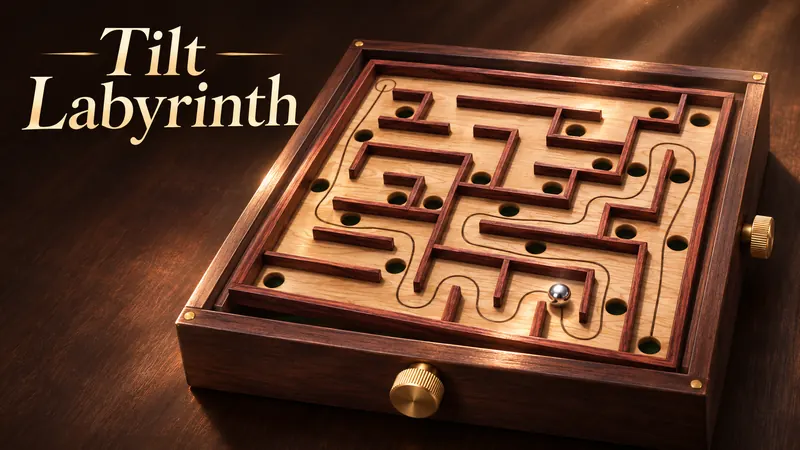
| Tilt Labyrinth | Ball maze | Claude Fable 5.2 | Not given | The model profiled it from 55 ms to 9 ms a frame |
"Not given" means the maker didn't say. Details were read from each game's page on 26 November 2026.
Three.js shooters and combat games
Riposte: Frontline
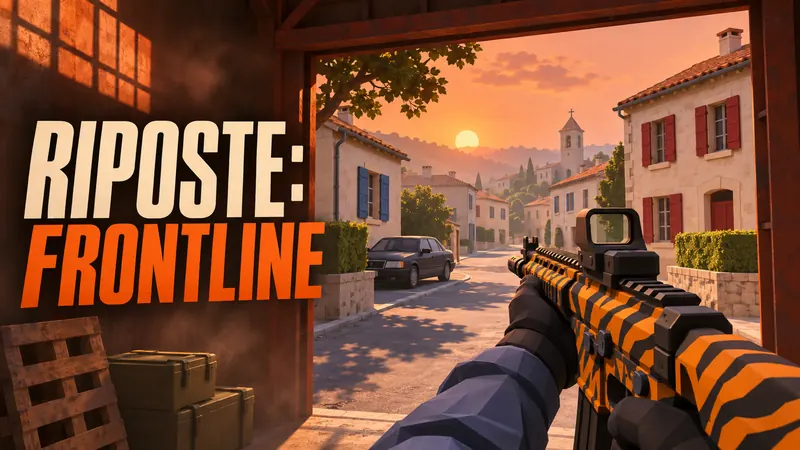
A first-person shooter in the spirit of Call of Duty: village streets, warehouses and arenas, rifles, SMGs and shotguns, objectives and killstreaks against bots or other players. It plays with keyboard and mouse, a gamepad or touch.
How it was made: BenDBS says it was vibe coded with Claude Code and three.js, without importing any 3D model. A snapshot of the source (version 5.6.0) is on GitHub at BenDBSS/Riposte-Frontline-Source. Its README says all geometry is built in code, a Python script (build.py) joins the source files into one HTML page, and without the official server, online matches go browser to browser with PeerJS. The code is MIT-licensed, except the name, logo, music, soldier animations and some sounds listed in NOTICE.md. The code and comments are in French.
MAAD MAXXING
Mad Max-style car combat: a rusty dune buggy with no brakes, an orange desert, narrow canyons and a storm, and raiders to ram and blow up. A kill counter and a nitro bar keep score.
How it was made: Andrew Blumson made it with Claude Fable 5.2 entirely in code, with no 3D models and no textures, rendered in real time with three.js on WebGPU. The audio was made with ElevenLabs. Three of the planned ten stages are playable.

GO AGAIN
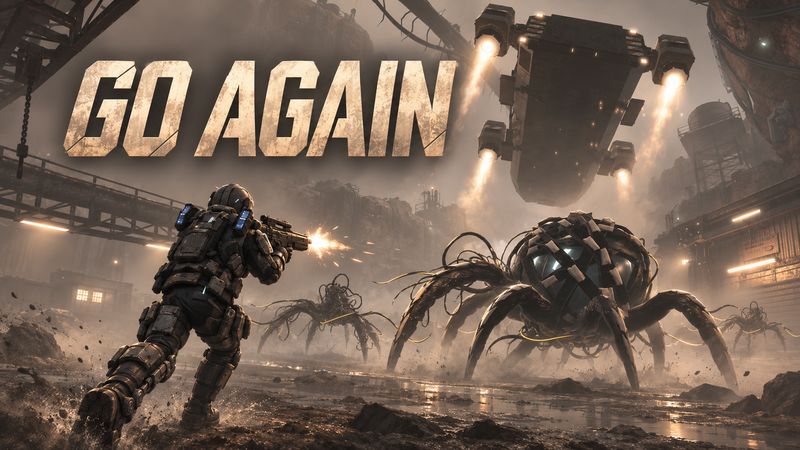
Lead a squad through a foggy outpost overrun by aliens. Each day is a mission: clear the breach, crack the relay, bring down the Hive Anchor and get back to the dropship. Die and you go again, keeping permanent upgrades. It works on desktop and phones.
How it was made: Tushar made it on the Crayon arcade, and Crayon says it was built in under two hours with Crayon Max, Claude Fable 5.2 and three.js. It plays on Crayon with no sign-up.
Lumina Fighter Jets
Pick one of five fighter jets on an aircraft carrier, launch, and fly low over a sunlit sea and islands: lock on, fire missiles and drop flares when the radar warning sounds. It has chase and cockpit cameras and a full flight HUD.
How it was made: LuminaBench made it with Google's Gemini 4 Neon in one shot, in about 30 minutes from a basic idea: a single three.js HTML file with no external assets.

Three.js driving, racing and flying games
NightClub: Drift & Speed
Slide a car through rainy neon streets, chain drift zones and speed zones for points, and race your own ghost or the maker's on a worldwide leaderboard.
How it was made: Story91 says it went from an empty folder to a game in 72 hours. Claude Fable 5.2 wrote all the code, Blender was used for the city, Higgsfield for the art and 3D models, and three.js for the world. The agent also recorded the trailer itself from real gameplay. It can run in 4K, so a strong computer helps.

Saltfire
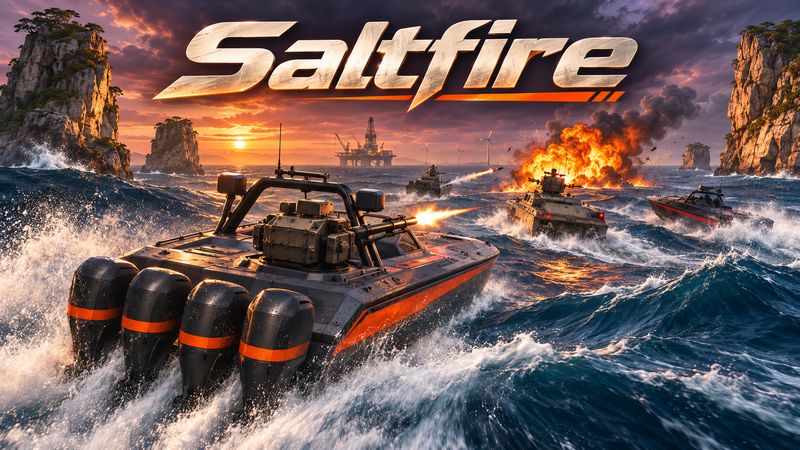
A racing game with no roads: drive an armed powerboat through open-sea swell and race five AI rivals through gates, firing rockets and guns.
How it was made: the AI video company Higgsfield says it asked Claude Fable 5.2 for a racing game with no roads and very few rules, built in three.js with Higgsfield. It is one big file, so expect about half a minute of loading before the menu.
Threejs-Punk Drive
Drift through a neon city at night, slip past traffic and hit the nitro on the straights, with a synthwave radio and more than 50 missions.
How it was made: Anderson Mancini and Sunag built it with three.js and WebGPU. Its page names no AI tool; it is here as a three.js WebGPU driving game you can compare with MAAD MAXXING and Valley Ride.

Drift for points through rain and neon, then hit the nitro on the straight.
Desk Racer
A tiny kart races a twisting track over a computer keyboard, past the desk lamp and around the monitor, with lap times and a leaderboard.
How it was made: Google made it to show off Gemini 4 Argon. In Google Antigravity, Argon turned photos of a real desk into the game with several agents: it modelled and collision-checked the desk objects, room and track through Blender MCP, textured them with Nano Banana, and wired up physics, custom shaders and engine audio in three.js. It plays in Google AI Studio and needs a Google sign-in. Our Blender MCP guide shows the same kind of pipeline step by step.

Fall Line: downhill MTB
A downhill mountain bike game you ride with the keyboard.
How it was made: the maker, BananaOfMercy, spent seven days riding every build and telling Claude Fable 5.2 what felt wrong. It is a good example of a game shaped by play-testing rather than by one prompt.

A downhill mountain bike game in three.js, playable in the browser with a keyboard
fly.pieter.com
A free online flight game where you fly and dogfight with other players.
How it was made: Pieter Levels built it with Cursor and three.js, and its page says it started from one prompt and took about 3 hours. It is one of the best-known vibe-coded games and an early example of three.js multiplayer made with an AI editor.
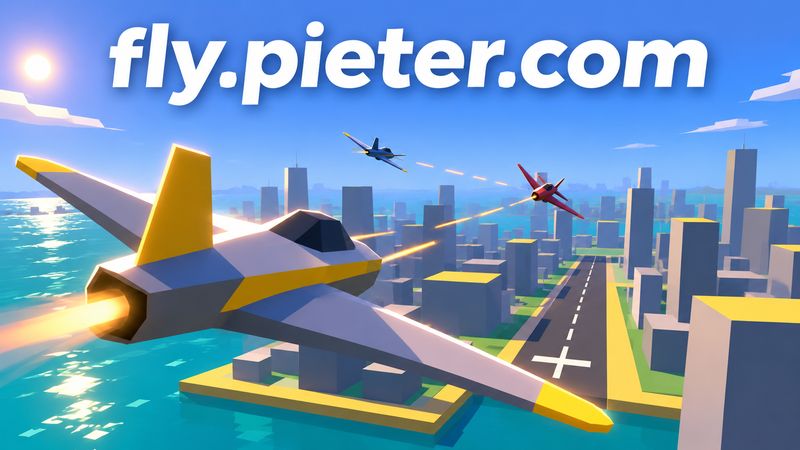
The game that made vibe coding famous: dogfight other players over a city of skyscrapers.
Neon Canyon Run
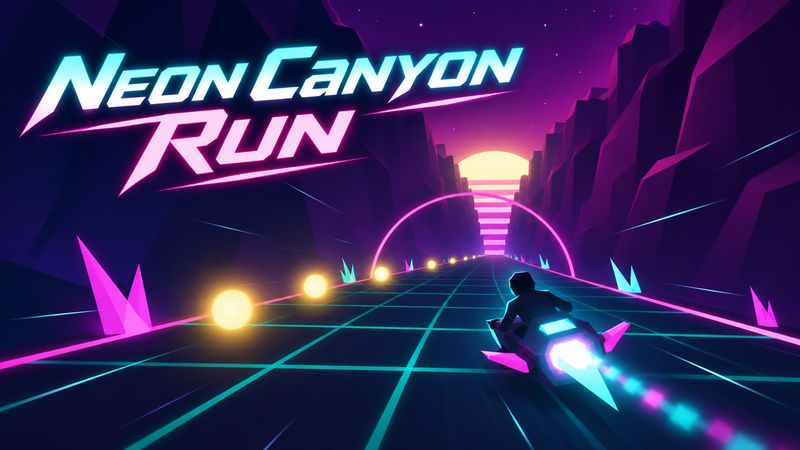
Steer a glowing hover-bike through a neon canyon at night, jump barriers and collect orbs as the speed rises. It works on a computer and a phone.
How it was made: this is our own test. We gave Claude Fable 5.2 in Claude Code one prompt, with no follow-ups. It took 12.6 minutes in 15 turns and tested its own build in headless Chrome, checking the phone layout, crashes, the best score, and an automatic run that survived 150 seconds at top speed. The prompt and the other builds are in our same-prompt test.
Three.js worlds to explore
What the Water Keeps
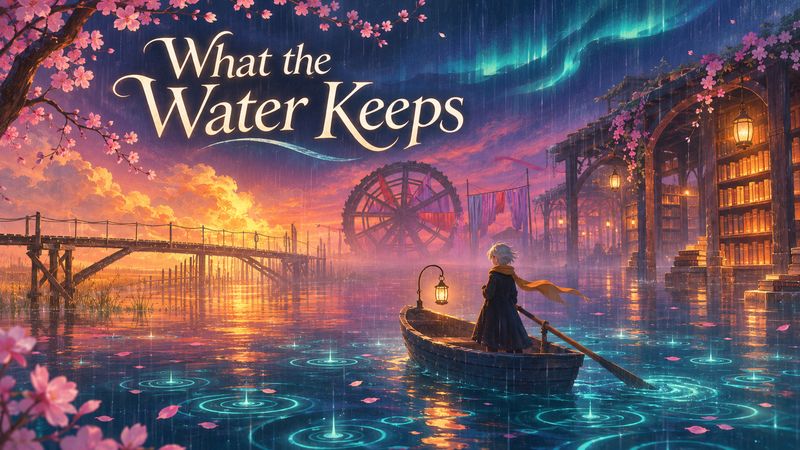
A quiet boat ride: push off from a jetty at golden hour and row down a waterway through eight dreamlike realms. There is nothing to fight and no timer.
How it was made: Kevin Ngo made it with Claude Fable 5.2 and three.js and posted it on 9 November 2026, the day the model came out. The game page also credits Tripo 3D and Suno.
Oil Paint
A figure in a blue cloak and straw hat wanders a golden autumn forest, and every frame is drawn as oil-paint strokes.
How it was made: Blendi made it with Claude Fable 5.2 and three.js in less than an hour. Each frame is about 1.5 million brush strokes, and it runs at around 200 fps. You can play it or clone it on patch.gg. Castle Valley, above, is another painterly renderer, with its code on GitHub.

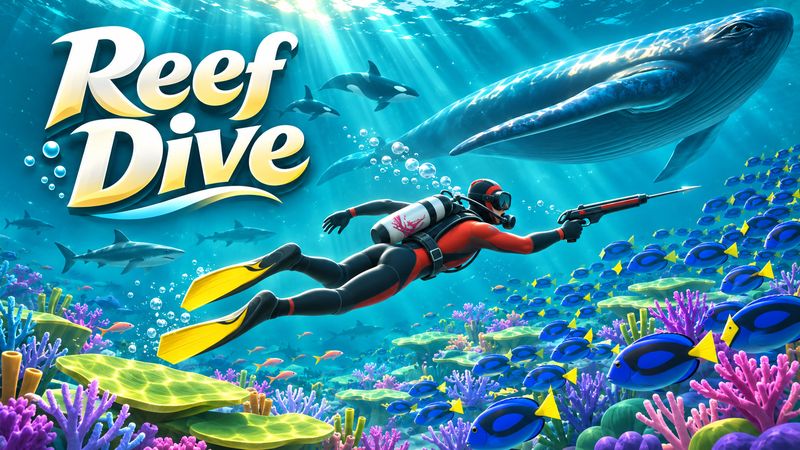
Reef Dive
Dive from your boat, spear fish for coins and get back up before your air runs out, across four depth zones down to 140 m. Between dives you upgrade your gear and hunt for 12 lost relics.
How it was made: Ibrahim Boona says they asked Claude Fable 5.2 to take their existing browser game to the next level, and that it is built with three.js. It plays on Wavedash; you only need to sign in to save progress.
Galewatch Atlantico
Walk the deck of a giant container ship in a storm, watch huge swells break over the bow and a sea serpent surface by the hull, and change the sea state, weather and time of day as you go.
How it was made: Token Gremlin built it in about four hours with GPT-6.2 Astra, scripted Blender assets and three.js, packed into a single lightweight HTML file.
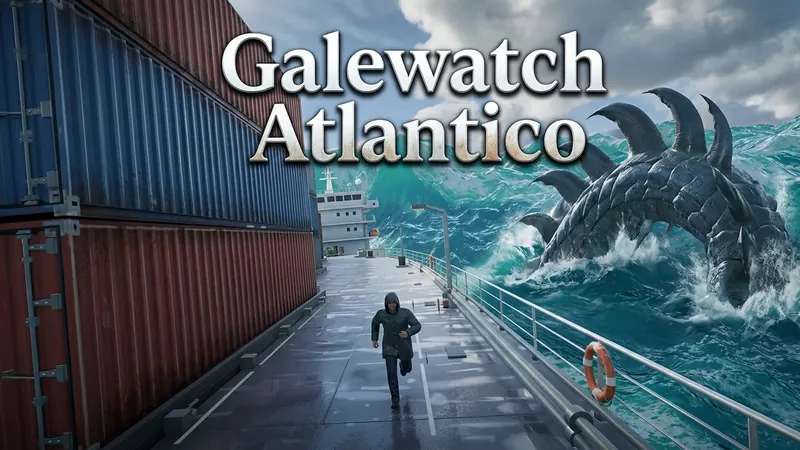
Explore a massive cargo container ship tossed by towering 3D storm waves and a sea-serpent leviathan, built with GPT-6.2 Astra, Blender and Three.js.
Three.js platformers, puzzles and co-op games
Sumiro
A third-person platformer in an ink-wash style: climb stone stairs and cliffs, jump between floating rocks and fight through misty mountain levels.
How it was made: Shikhar built it in 24 hours, with Claude Opus 5.5 writing most of the code and Claude Code running several agents at once to build and test each level. He set the look with a reference video from Flux 3 Max, rebuilt the assets in Blender and placed them in three.js. GPT Image drew the hero from four sides, Tripo turned that into a 3D model, and Claude gave it cloth physics and animations.

Wrongly Drawn
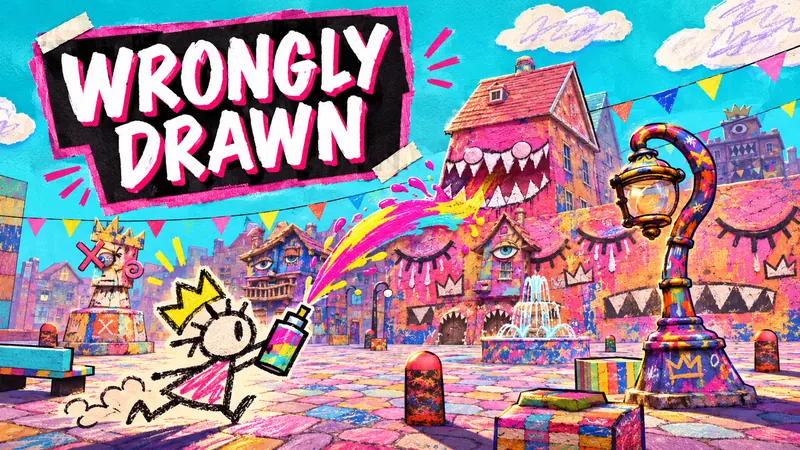
You are WAI, a doodle from the margin of a sketchbook, in a 3D graffiti plaza. Instead of fighting, you spray crossed-out creatures back into colour and lend Eye, Mouth and Legs stickers to streetlights, crates and cliffs.
How it was made: 巴特歪 (IDKhow2do) says all of the code was written by Claude Code and Codex, and the 3D models were made with Tripo. The source is on GitHub at IDKhow2do/WronglyDrawn: TypeScript and Vite, three.js 0.187 and the Rapier physics engine. The code is under the PolyForm Noncommercial 1.0.0 license, which allows noncommercial use only, so it is not an open-source license; the game's own art and story are all rights reserved.
Alandys
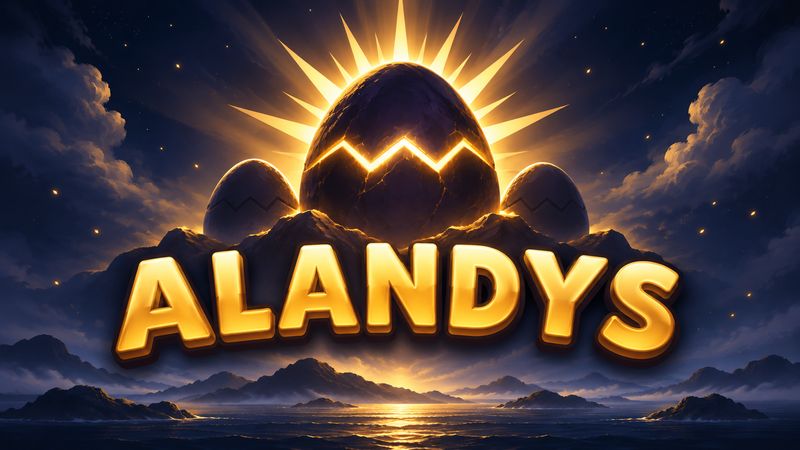
A co-op roguelite: hatch a creature, raise your kin and take on the guardians of the floating isles, solo or with up to three players online. It has 16 raid bosses.
How it was made: it was built in 33 days with three.js and Claude Opus 5.5, according to its page.
Wizard Chess 3D
Chess in a torch-lit castle hall against a built-in AI. The pieces are sculpted, animated, and shatter when captured.
How it was made: Google made it to show off Gemini 4 Argon. In Google Antigravity, Argon wrote Python scripts that sculpted, rigged, animated and baked the pieces, with several agents checking the results visually, then put the game together in three.js with GLSL shaders, shatter physics and the chess AI. It plays in Google AI Studio and needs a Google sign-in.
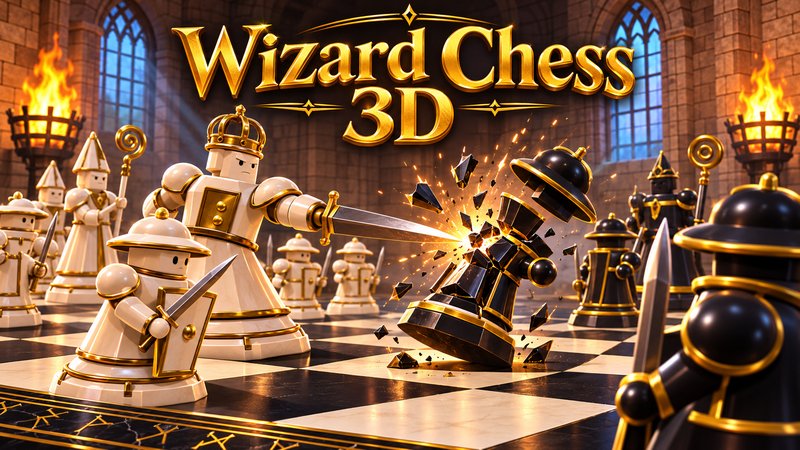
Google's Gemini 4 Argon demo: 3D chess in a torchlit castle hall, with sculpted pieces that shatter when taken and a computer opponent.
Tilt Labyrinth
A wooden ball maze: tilt the board and roll the ball to the end.
How it was made: mylifcc says it is about 2,000 lines of three.js written by Claude Fable 5.2, and that the model profiled it on its own, from 55 ms down to 9 ms a frame.
What these three.js games have in common: patterns you can copy
Taken together, the 27 games and what their makers say about them show a few patterns you can reuse in your own three.js game.
- One HTML file. Galewatch Atlantico and Lumina Fighter Jets are a single HTML file, Saltfire is one big file, and Riposte's build script joins all its code into one page. Cayley goes the other way and skips the build step entirely. One file is easy to host and easy for an AI agent to keep in view; the cost is a long first load.
- Models made in code. MAAD MAXXING has no models or textures, Riposte builds all its geometry in code, Baron generates its art and sound, Oil Paint and Castle Valley paint the world out of brush strokes, and Wizard Chess sculpts its pieces with scripts. Our guide to making a 3D browser game with Claude Fable 5.2 and three.js uses this approach.
- Blender and generated models when code isn't enough. NightClub's city was made in Blender, Galewatch's assets are scripted Blender files, Desk Racer was modelled through Blender MCP, and Sumiro, Wrongly Drawn and What the Water Keeps credit Tripo. Valley Ride compresses its meshes and textures to keep downloads down. To make models with an agent, see Blender MCP; for ready-made ones, see Polyfork and our list of free low poly 3D models.
- Physics libraries are rare. Of the games here, only Wrongly Drawn names one: Rapier. Cayley and Baron keep their own flight models in their code, and Sumiro's maker says Claude gave the hero cloth physics.
- WebGPU where it pays off. MAAD MAXXING, Threejs-Punk Drive, Valley Ride and Skyfall Protocol render with three.js on WebGPU. Valley Ride keeps a WebGL 2 fallback; Skyfall doesn't, so it needs desktop Chrome.
- Multiplayer without much server. fly.pieter.com and Alandys are played online with others, Riposte runs matches browser to browser with PeerJS, PaletteRider sends positions through a public relay, and NightClub uses ghost runs on a leaderboard instead of live races.
- Let the agent play its own game. Our Neon Canyon Run build tested itself in headless Chrome, Tilt Labyrinth's model profiled its own frame time, Sumiro's agents tested each level, and Fall Line's maker play-tested for a week. Valley Ride's GPU checks fail on a dropped frame.
Not every 3D browser game needs three.js. HEAT, a neon 1986 Miami drive, was made by a Perplexity Teammate agent on Claude Fable 5.2 that, its maker says, used no game engine and no three.js and wrote its own WebGL 2 renderer.
More open three.js games and guides
Blendi's other painted games, Painted Valley, Patchwork Quilt, Watercolour and Small Magic, are open on patch.gg like Oil Paint; they are covered in our open source browser games list. For more 3D games in the browser, see our list of WebGL games and every 3D game on VibeGamer. To make your own, read how to make a 3D browser game with Claude Fable 5.2 and three.js, and see the agent skills and MCP servers for game development.
FAQ
Where are the official three.js examples?
At threejs.org/examples. They are short demos grouped into sections such as WebGL, WebGPU, WebXR and physics, each with a "View source" link. They are the best reference for one feature at a time; the games above show how those features fit together in a full project.
What are some good three.js games to play?
Among the games on this page, Cayley, What the Water Keeps, Oil Paint, MAAD MAXXING and NightClub: Drift & Speed get the most plays on VibeGamer. For reading code, start with the seven at the top, whose source is on GitHub.
Can I copy code from these games?
Only as each license allows. MIT and BSD-2-Clause let you reuse the code, including commercially, if you keep the copyright notice. Castle Valley, PaletteRider and Skyfall Protocol have no license file, so you can read them but not reuse them. Riposte: Frontline's code is MIT, but its name, logo, music, soldier animations and some sounds are not. Wrongly Drawn's code is for noncommercial use only. Assets can have their own terms: Skyfall's aircraft models are noncommercial.
Which one should a beginner read first?
Cayley if you want three.js with no bundler, and Baron or The Lost Storm if you want to see how a TypeScript game project is organised. The Lost Storm's split between game logic and rendering is worth copying in any game.
Do these need WebGPU?
Skyfall Protocol does, and Valley Ride uses it by default. MAAD MAXXING and Threejs-Punk Drive also render with three.js on WebGPU. The rest run on WebGL 2, which every modern browser supports.
Which AI models made these three.js games?
Mostly Claude Fable 5.2, then Claude Opus 5.5. Google's Gemini 4 Neon and Gemini 4 Argon, OpenAI's GPT-6.2 Astra and Codex, Crayon Max and Cursor each made at least one. That is what each maker says in their own post, README or game page; Valley Ride's README, for example, names Claude Opus 5.5 and Claude Fable 5.2 and includes the prompts.
Do I need a physics library for a three.js game?
Not always. Of the 27 games here, only Wrongly Drawn names one, Rapier. Cayley and Baron have flight models written for the game. Sumiro's maker says Claude gave the hero cloth physics and animations.
Repositories, READMEs and licenses checked on 21 November 2026; the 20 added games, Riposte: Frontline's and Wrongly Drawn's repositories and licenses checked on 26 November 2026. Games, code and screenshots belong to their makers. three.js is an open-source project by its contributors; VibeGamer is independent and not affiliated with it or with any game here.